
4 Effective Strategies for a More Sustainable HVAC System
In today's world, the importance of sustainability cannot be overstated, especially when it comes to energy-intensive systems like HVAC. Heating, ventilation, and air-conditioning systems are crucial for maintaining comfortable and healthy environments, but they often consume significant amounts of energy. This article explores four effective strategies to enhance the sustainability of HVAC systems, reduce energy consumption, and minimize environmental impact. As we delve into these solutions, it's clear that adopting sustainable practices not only benefits the environment but can also lead to cost savings in the long run. By integrating innovation with sustainability, the future of HVAC systems looks promising.
1. Conducting Regular Maintenance and Inspections
1.1 Importance of Regular Check-ups
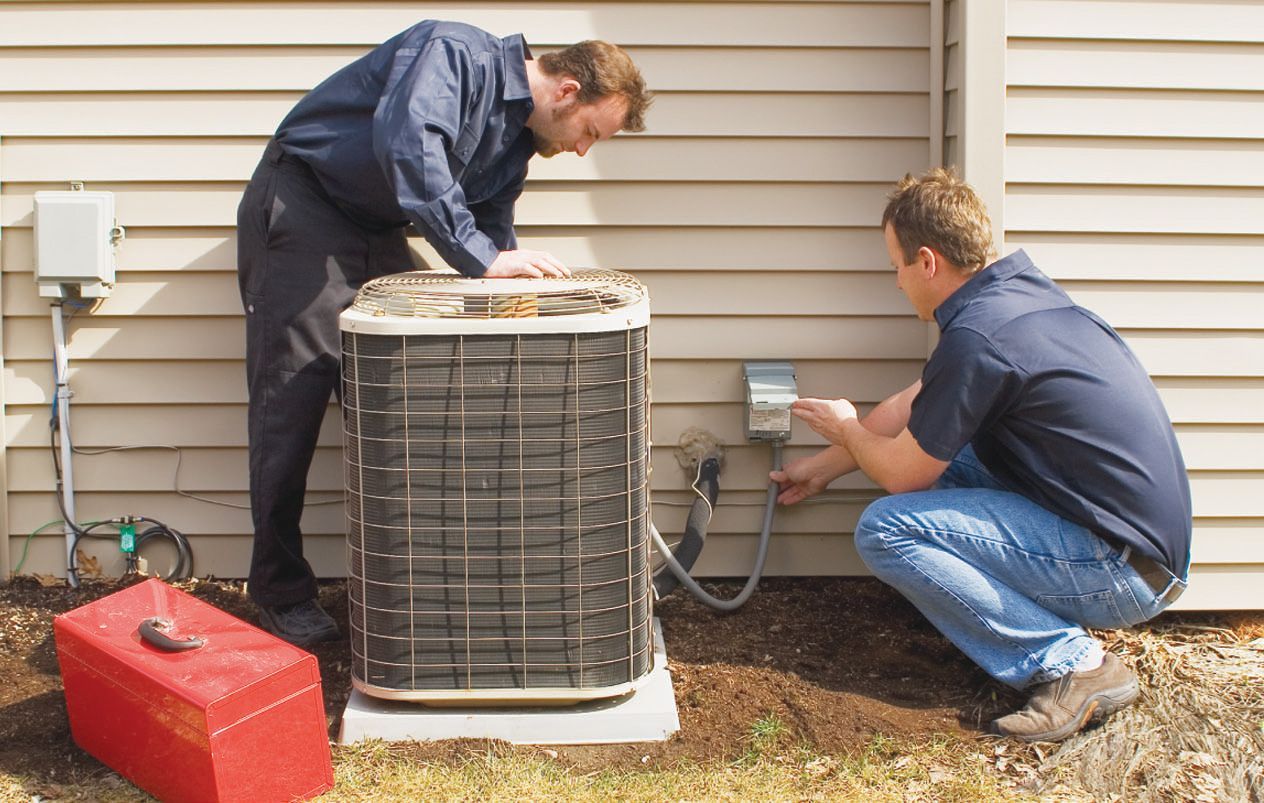
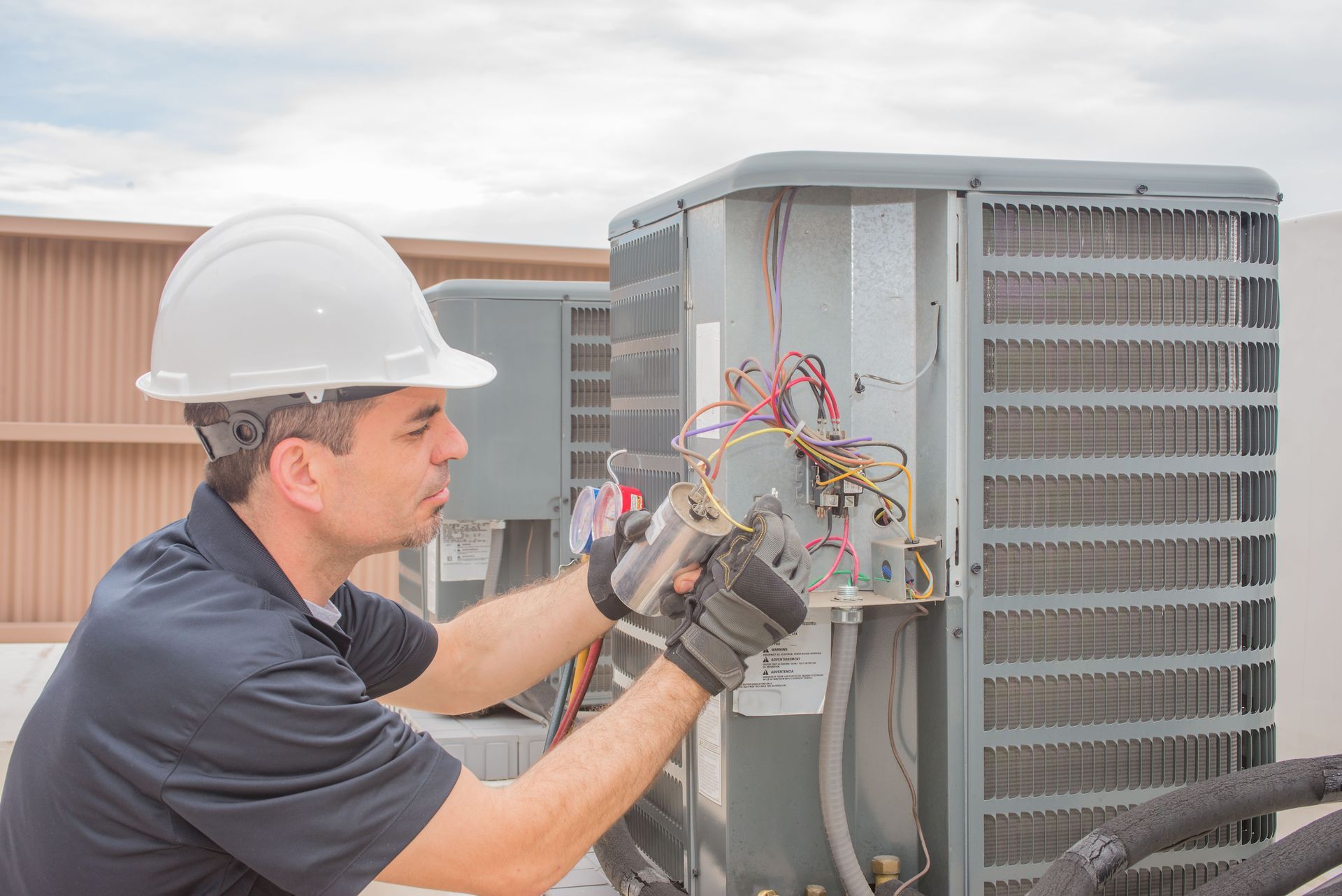
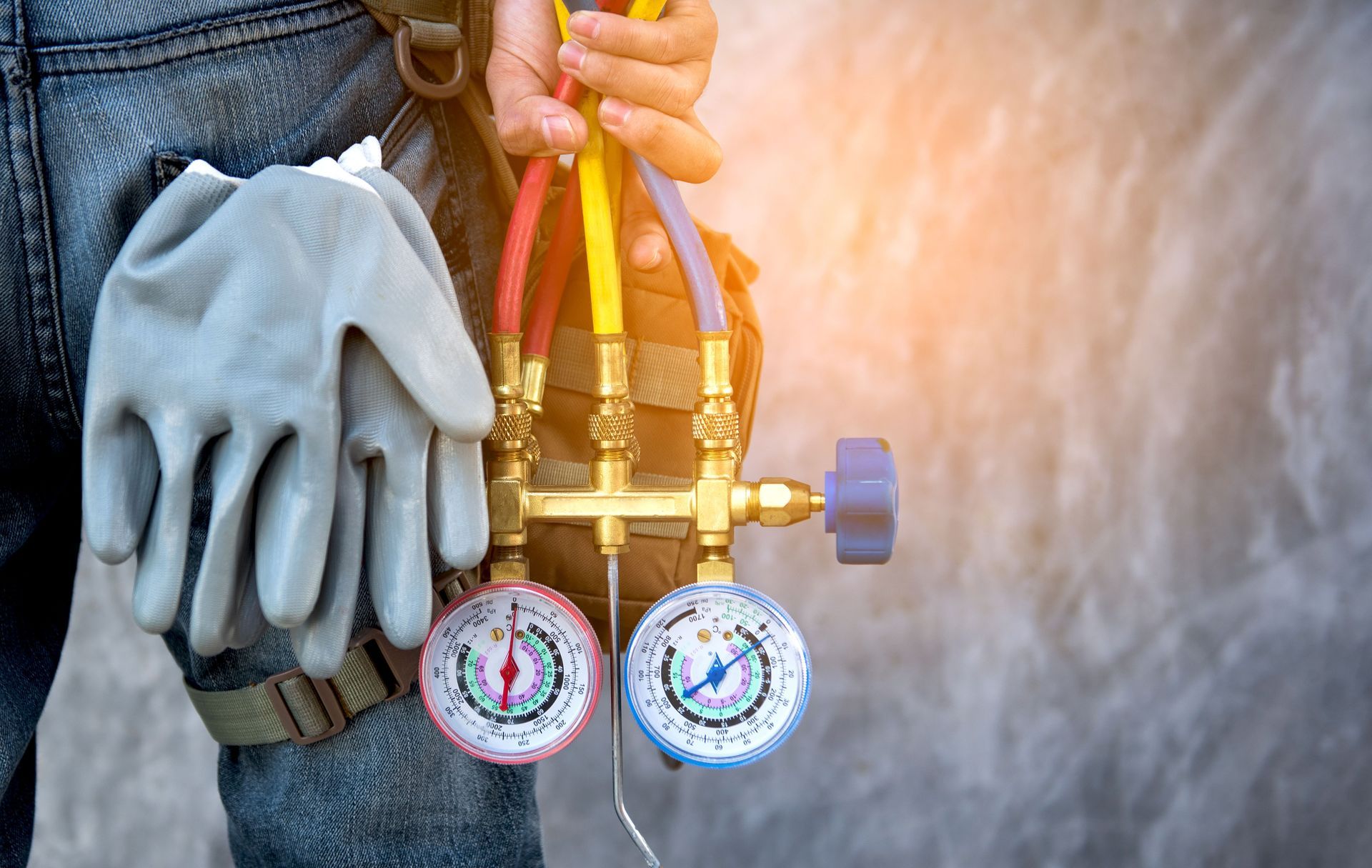
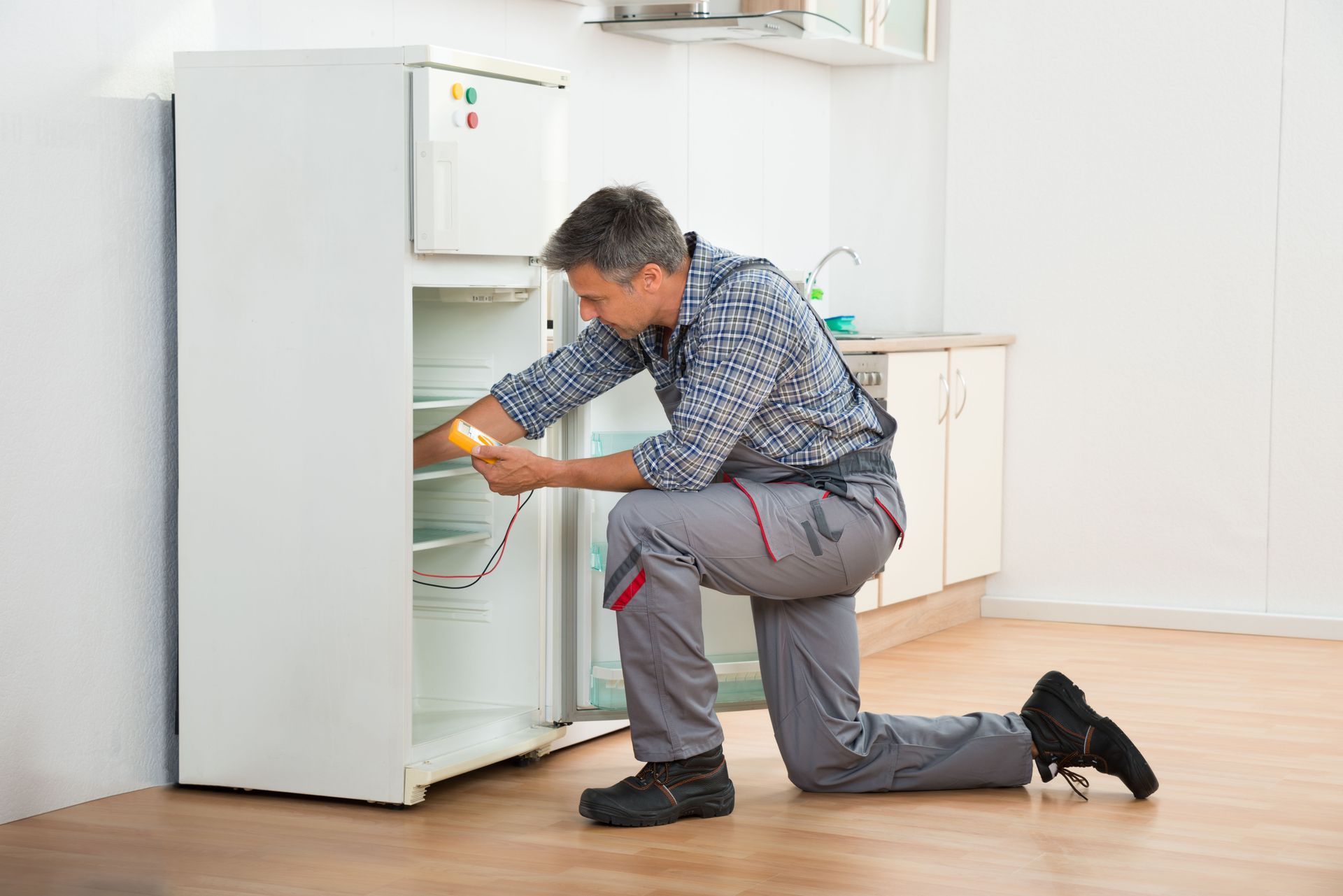
Regular maintenance and inspections are the backbone of an efficient HVAC system. They ensure that all units operate at peak performance, thus reducing energy waste and prolonging the system's lifespan. During inspections, professionals can detect minor issues before they escalate into significant problems, saving both costs and preventing potential downtime. According to recent research, a well-maintained HVAC system can reduce energy consumption by up to 30%. Therefore, committing to a regular maintenance schedule not only optimizes performance but is a sound financial decision for property owners.
1.2 Replacing Filters Periodically
Filters play a crucial role in the efficient functioning of HVAC systems by trapping dust, allergens, and other airborne particles. Over time, these filters can become clogged, causing the system to exert more energy to circulate air, leading to increased energy consumption. By replacing filters regularly, typically every 1-3 months depending on usage, HVAC systems can operate in a more energy-efficient manner. Clean filters not only enhance air quality but also reduce stress on the system's components. In this light, periodic filter replacement is a simple yet impactful step towards achieving sustainability goals.
1.3 Identifying and Addressing Leaks
Leaks in HVAC systems, particularly in ductwork, can lead to significant energy losses. Leaking ducts can account for up to 30% of a system's heating and cooling loss, causing increased energy consumption and costs. Regular inspections help in identifying these leaks early, allowing for prompt repairs and ensuring the system is sealed and efficient. Sealing leaks can greatly enhance the system's performance, reduce energy consumption, and promote sustainability. It's a critical step for homeowners and businesses looking to optimize HVAC efficiency while lowering their environmental impact.
2. Optimizing System Design and Layout
2.1 Thoughtful Ductwork Design
The design and layout of ductwork in an HVAC system have a profound impact on its efficiency. Properly designed ductwork ensures even airflow throughout a building, eliminating hot and cold spots and enabling consistent environment control. When designing a system, it's essential to keep ductwork as short and straight as possible to minimize resistance and energy loss. Innovations in ductwork materials also contribute to energy efficiency, as modern ducts offer better insulation and leak prevention. By focusing on ductwork design, property owners can greatly enhance their HVAC system's performance and sustainable operation.
2.2 Minimizing Obstructions to Airflow
For an HVAC system to perform optimally, unobstructed airflow is crucial. Furniture, rugs, and other items can inadvertently block vents, leading to uneven heating and cooling, which forces the system to work harder and consume more energy. Building layout and interior design should consider HVAC system placement to ensure unrestricted airflow. Regularly checking and rearranging items around vents can help maintain this flow, further contributing to system efficiency. A well-designed layout that accommodates natural airflow dynamics can substantiate energy savings and sustainability efforts.
2.3 Leveraging Natural Ventilation
Natural ventilation is a potent strategy for reducing reliance on mechanical HVAC systems while maintaining comfort levels inside buildings. By strategically placing windows, vents, and other openings, buildings can utilize wind and temperature differentials to create airflow without energy consumption. This approach not only reduces the energy burden on HVAC systems but also enhances indoor air quality by introducing fresh air. However, balancing natural ventilation with HVAC usage demands careful consideration of local climate conditions. When implemented correctly, these measures can contribute significantly to a building's sustainability profile.
3. Upgrading to Energy-Efficient Components
3.1 Using High-Efficiency HVAC Units
Upgrading to high-efficiency HVAC units is a progressive step toward sustainability and cost savings. Modern units are designed to provide the same cooling or heating output while using less energy, reducing utility bills and environmental footprint. Investing in units with high Seasonal Energy Efficiency Ratios (SEER) ensures that property owners gain maximum efficiency and performance. Notably, these systems, although more expensive upfront, often result in lower operating costs over time. This trend aligns with consumer expectations; a study reveals that nearly two-thirds (64%) of Americans seek out—and are willing to pay more for—sustainable products, including HVAC solutions.
3.2 Implementing Variable Speed Drives
Variable speed drives (VSDs) are an innovative addition to HVAC systems, allowing motors and pumps to operate at different speeds based on demand. By adjusting the speed of the components, VSDs help optimize energy usage and reduce waste during periods of low demand. For instance, a VSD allows an HVAC system to operate at a reduced capacity during moderate weather, instead of at full capacity. This capability results in substantial energy savings and extends the equipment's lifespan, making it a vital consideration for energy-conscious property owners. Overall, implementing VSDs in HVAC systems provides an effective measure for enhancing both efficiency and sustainability.
3.3 Transitioning to Smart Thermostats
Smart thermostats represent the cutting edge in HVAC control solutions, offering precise climate management tailored to user preferences. Unlike traditional thermostats, smart versions learn patterns and adjust temperatures automatically, optimizing energy usage without sacrificing comfort. Users can control these systems remotely via smartphones, allowing for adjustments even when not physically present. Additionally, smart thermostats provide valuable usage insights, empowering users to make informed decisions about their energy consumption. By transitioning to smart thermostats, building owners can expect a significant reduction in energy bills and an enhanced commitment to sustainability.
4. Implementing Smart Technologies
4.1 Utilizing IoT Sensors and Controls
Internet of Things (IoT) technology has revolutionized the way HVAC systems operate, providing real-time data and enhanced control. IoT sensors measure variables such as temperature, humidity, and occupancy, relaying information to central systems for better climate management. These controls facilitate responsive systems that adjust based on contextual inputs, optimizing energy use without compromising comfort. For stakeholders invested in sustainability, IoT offers a clear path to improved operational efficiency and reduced environmental impact. The seamless integration of sensors into HVAC infrastructure represents a leap toward future-ready building management.
4.2 Setting Up Automated Systems
Automated HVAC systems introduce a new dimension of efficiency and convenience, utilizing predefined schedules and responsive features for optimal operation. Automation ensures that HVAC components function as needed, rather than running continuously, which conserves energy. Such systems can automatically adjust to varying external conditions or internal occupancy changes, closing the gap between desired and actual comfort. By removing the potential for human error, automation reduces unnecessary energy usage, promising both environmental benefits and financial savings. Property managers seeking streamlined operations often find immense value in this advanced solution.
4.3 Leveraging Predictive Maintenance Tools
Predictive maintenance tools, often powered by artificial intelligence, bring proactive insights into HVAC systems' performance, identifying issues before they develop into critical failures. By analyzing data from IoT sensors and historical performance, these tools predict component wear and inefficiencies, suggesting timely interventions. This approach extends the life of HVAC equipment and ensures its optimal performance with minimal downtime. For businesses, predictive maintenance delivers both energy efficiency and reduced repair costs, supporting sustainable building objectives. Embracing these innovations represents a forward-thinking attitude toward HVAC management and sustainability.
Making HVAC systems more sustainable is a multifaceted approach that involves regular maintenance, smart system design, upgrading equipment, and engaging renewable energy sources. By implementing these strategies, both residential and commercial buildings can achieve significant energy savings and contribute positively to environmental sustainability. Stakeholders play a key role in driving these changes, and with their engagement, the transition toward greener HVAC systems can be accelerated to meet future energy and environmental goals. As sustainable practices become ingrained in HVAC operations, they set a precedent for broader environmental responsibility and economic benefit. This evolutionary journey, powered by innovation and awareness, paves the way for a promising, sustainable future in the HVAC industry. Be sure to reach out to Jackson Home Appliance Heating & Cooling today for more information on our professional local HVAC contractors!
Share On: