3 Essential Maintenance Tips to Keep Your Air Conditioning System in Top Shape
Maintaining an efficient and comfortable home starts with proper air conditioning care. Many homeowners overlook simple yet critical tasks that directly impact performance, energy costs, and indoor air quality. Regularly changing or cleaning air filters, keeping evaporator and condenser coils free of dirt, and monitoring thermostat settings are foundational steps to ensure your system runs efficiently. Neglecting these tasks can lead to higher electricity bills, uneven cooling, and premature system wear. Additionally, a poorly maintained AC can circulate dust, allergens, and other particles, affecting the health and comfort of everyone in the home, particularly those with respiratory sensitivities or allergies. Beyond personal comfort, energy efficiency plays a significant role in reducing your environmental footprint, needing the professionalism of HVAC contractors.
1. Regularly Change or Clean Air Filters
The primary function of air filters is to trap dirt, dust, and allergens, thereby improving indoor air quality. Clean air filters ensure that the air circulating in your home is free of harmful particles that can affect your health. Not only do they protect your respiratory health, but they also maintain the efficiency of the air conditioning system by preventing dust buildup. A clogged filter makes the unit work harder to circulate air, leading to increased energy consumption. According to the US Department of Energy, air conditioners consume about 6% of all electricity produced in the United States, costing homeowners approximately $29 billion annually, emphasizing the need for efficient maintenance practices.
Filters should be checked monthly, especially during peak seasons like summer and winter, when the system is used heavily. Generally, most air filters need changing or cleaning every one to three months, depending on the type of filter and the environment. Homes with pets or people with allergies may require more frequent filter changes to maintain air quality and system efficiency. Regular maintenance schedules can prevent the air conditioning unit from overworking, thus reducing electricity usage and prolonging the system's overall lifespan. Following manufacturer recommendations for specific filter types can also ensure optimal performance.
One of the first signs of a clogged filter is reduced airflow, which can be felt through vents. You may also notice an increase in dust accumulation on surfaces, which indicates that the air isn't being filtered properly. Additionally, a clogged filter can cause the AC unit to run continuously, as it struggles to reach the set temperature. This increased workload not only reduces the efficiency of the system but also heightens energy consumption, contributing to higher electricity bills. Regularly inspecting your filters with the help of HVAC contractors can prevent these issues from escalating.
When selecting an air filter, consider the MERV (Minimum Efficiency Reporting Value) rating, which indicates the filter’s ability to capture particles. A higher MERV rating indicates better filtration but also requires more energy to draw air through the filter. It's essential to choose a filter that balances air quality needs with system efficiency. For most residential systems, a MERV rating between 8 and 13 is suitable. Consulting with HVAC contractors can help you determine the best filter type for your specific system and indoor air quality needs.
2. Clean the Coils Regularly
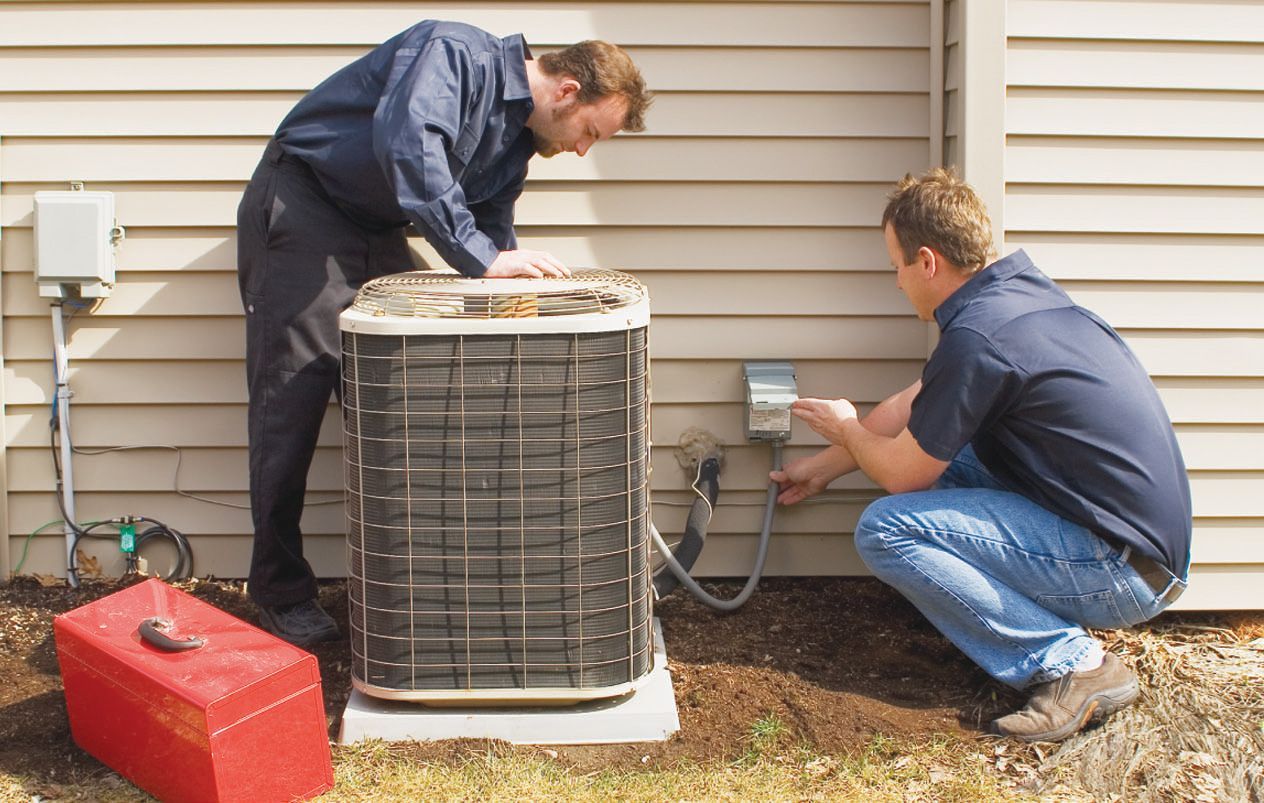
Evaporator and condenser coils play a pivotal role in the cooling process by absorbing and releasing heat. The evaporator coil inside the house absorbs heat from the indoor air, while the condenser coil outside releases it. Efficient operation of these coils ensures optimal temperature regulation within the home. However, over time, layers of dirt accumulate on the coils, reducing their ability to transfer heat effectively. Reduced efficiency leads to higher energy consumption, underscoring the importance of keeping coils clean for both performance and energy cost management. HVAC contractors can explain everything you need to know about these coils.
Dirty coils can cause several noticeable symptoms, such as reduced cooling capacity and increased energy bills. The air conditioner might run longer than usual or frequently cycle on and off while failing to reach the desired temperature. An inspection may reveal dust and grime buildup on the coils, potentially increasing system pressure and reducing the refrigerant’s ability to absorb heat. This inefficiency forces the system to consume more power to maintain comfortable indoor temperatures. Addressing coil cleanliness is not only vital for comfort but also for reducing operating costs associated with excessive energy use.
Cleaning AC coils can often be a DIY task with the right preparation and tools. Begin by turning off the power to the unit to ensure safety before accessing the coils. Use a soft brush or specialized coil cleaner to gently remove dirt and debris from the surface of the coils. For deeper cleaning, a mixture of soap and water can be sprayed on the coils, allowing it to sit and loosen accumulated grime before rinsing thoroughly. While DIY cleaning can effectively manage dirt buildup, heavily clogged coils might require HVAC contractors for complete restoration of efficiency.
3. Inspect the Thermostat
The type of thermostat you choose can greatly influence your home’s energy efficiency. Manual thermostats allow basic temperature setting but lack programmability, making them less efficient than other options. Programmable thermostats offer scheduled adjustments, helping optimize energy use by matching temperature settings with occupancy patterns. Smart thermostats advance efficiency further by providing convenience and automation, such as remote control and learning from usage habits. An efficient thermostat setup plays a crucial role in maintaining comfortable temperatures while managing energy consumption dynamically.
Calibrating your thermostat ensures it reads and responds to the indoor temperature accurately. If the thermostat is not properly calibrated, it may not trigger the HVAC system to cool the house appropriately, leading to discomfort and inefficiency. Check the manufacturer's instructions to perform basic calibration tests, or match it against a reliable thermometer to confirm accurate readings. Regular recalibration, especially after any repairs or system installation, maintains optimal performance. Accurate thermostat readings not only promote comfort but also help in managing energy use more effectively.
Upgrading to a smart thermostat can significantly enhance the efficiency of your air conditioning system. Smart thermostats can learn your household’s schedule and preferences, optimizing heating and cooling cycles to save energy. They allow remote access via smartphones or computers, enabling adjustments even when you're away from home. Additionally, smart thermostats can offer insights into energy usage patterns, helping you identify opportunities for efficiency improvements. Investing in this technology maximizes comfort while minimizing energy expenses, contributing to more sustainable home energy management.
Routine maintenance of your air conditioning system—through timely filter changes, coil cleaning, and thermostat calibration—ensures optimal performance, energy efficiency, and indoor comfort. By addressing these tasks regularly, you can prevent costly repairs, extend your system’s lifespan, and enjoy cleaner air throughout your home. Properly maintained AC units also help maintain consistent temperatures, improve humidity control, and reduce the strain on mechanical components, lowering the risk of system failure during extreme weather conditions. Investing a little time in upkeep now saves money, improves comfort, and contributes to long-term sustainability while promoting healthier indoor air quality.
Whether you handle basic maintenance yourself or enlist HVAC contractors for thorough inspections, prioritizing these steps ensures that your system functions reliably year-round. Don’t wait for inefficiency or discomfort to strike—schedule a check-up from HVAC contractors with Jackson Home Appliance Service Inc today to optimize your system, enhance air quality, and ensure consistent, reliable cooling for every season. Your home, your family, and your wallet will thank you for taking action now



Share On: