When to Repair vs. When to Replace Your Appliances
Modern households rely heavily on complex electrical and mechanical units to maintain daily routines, preserve fresh food, wash clothing, and ensure overall living comfort. When a refrigerator, washing machine, dishwasher, or oven encounters operational disruption, homeowners face an immediate decision regarding how to handle the situation effectively. Determining whether to fix an existing unit or invest in a completely new unit requires careful evaluation of performance efficiency, equipment age, frequency of breakdowns, and safety considerations. Ignoring early warning signs can lead to worsening mechanical breakdowns, unexpected household inconvenience, and potential property damage from water leaks or electrical malfunctions. Making a thoughtful choice ensures that your home continues running smoothly while keeping your daily household schedule intact. By understanding the critical factors involved in evaluating household equipment, homeowners can approach equipment failures with confidence and strategic foresight.
Evaluating Overall Machine Age and Performance
Understanding where a unit stands within its expected operational life cycle serves as a foundational step when evaluating equipment performance. Every household unit has a general expected service duration based on manufacturing standards, frequency of daily use, and regular routine maintenance. According to Nationwide, most major home appliances last an average of eight to 15 years, depending on the specific type of machine and how well it is maintained over time. When a unit is relatively new and experiences a sudden minor failure, scheduling professional appliance repair usually offers the most practical resolution to restore full functionality. Minor mechanical issues in newer units often stem from isolated component wear, such as a worn drive belt, a faulty door seal, or a clogged filter element. Addressing these localized issues quickly restores normal operation without needing a complete equipment overhaul. Conversely, when a machine approaches or exceeds the upper boundary of its expected operational life, recurring mechanical stress often affects multiple internal components simultaneously. In these older units, fixing a single failing component may only delay subsequent failures in other aging parts. Evaluating current equipment age against expected operational longevity allows homeowners to make practical decisions regarding ongoing care.
Monitoring Breakdowns and Performance Frequency
Evaluating how frequently a household unit requires technical attention provides valuable guidance when deciding between fixing existing equipment and purchasing a new replacement. An occasional minor malfunction during years of consistent service is normal for complex mechanical systems. However, when a machine requires continuous technical interventions, it often signals widespread internal wear and declining systemic integrity. Frequent operational disruptions indicate that internal mechanisms, electronic control boards, or motor assemblies are reaching the end of their operational usefulness. In such instances, repeatedly scheduling appliance repair can become an ongoing inconvenience that fails to deliver long-term reliability. Continuous mechanical failures disrupt daily household productivity and create recurring stress for family members who depend on reliable equipment operation. If a unit experiences back-to-back breakdowns within a short timeframe, investing in modern, updated equipment often provides greater operational peace of mind and long-term daily dependability.
Assessing Energy Efficiency and Modern Technological Upgrades
Technological advancements in modern home equipment have significantly altered utility consumption patterns and operational performance standards over recent years. Older units manufactured a decade ago generally consume considerably more electricity and water than contemporary models designed under current environmental guidelines. When considering whether to fix an older unit, homeowners must account for the ongoing utility demands of operating outdated machinery. Modern units incorporate advanced engineering, improved insulation materials, smart sensors, and variable-speed motors that optimize resource consumption during every operational cycle. While scheduling appliance repair can successfully restore mechanical operation to an older unit, it cannot upgrade the inherent energy efficiency standards built into older technology. Upgrading to a modern replacement unit allows households to benefit from reduced monthly resource consumption, quieter operation, advanced features, and smaller environmental footprints. Balancing ongoing utility consumption against the capabilities of existing machinery helps clarify whether upgrading delivers superior long-term household benefits.
Recognizing Critical Safety Hazards and Structural Risks
Physical safety and structural property protection must always remain top priorities when evaluating malfunctioning household equipment. Malfunctioning units can pose serious hazards, including electrical short circuits, water leak damage, gas line risks, or thermal overheating. For instance, a washing machine with a compromised internal tub or failing water intake valve can flood laundry spaces, resulting in extensive subfloor damage and severe wall moisture. Similarly, a defective dryer heating element or faulty electrical wiring inside an oven presents potential fire hazards if left unaddressed. When a unit demonstrates severe physical deterioration, corroded internal framing, or compromised safety controls, professional appliance repair may no longer guarantee safe ongoing operation. In cases involving major safety concerns or structural degradation, immediate equipment replacement represents the most responsible action to safeguard your residence and family members. Prioritizing safety ensures that household machinery operates without creating dangerous conditions within your living environment.
Examining Overall Household Convenience and Daily Utility
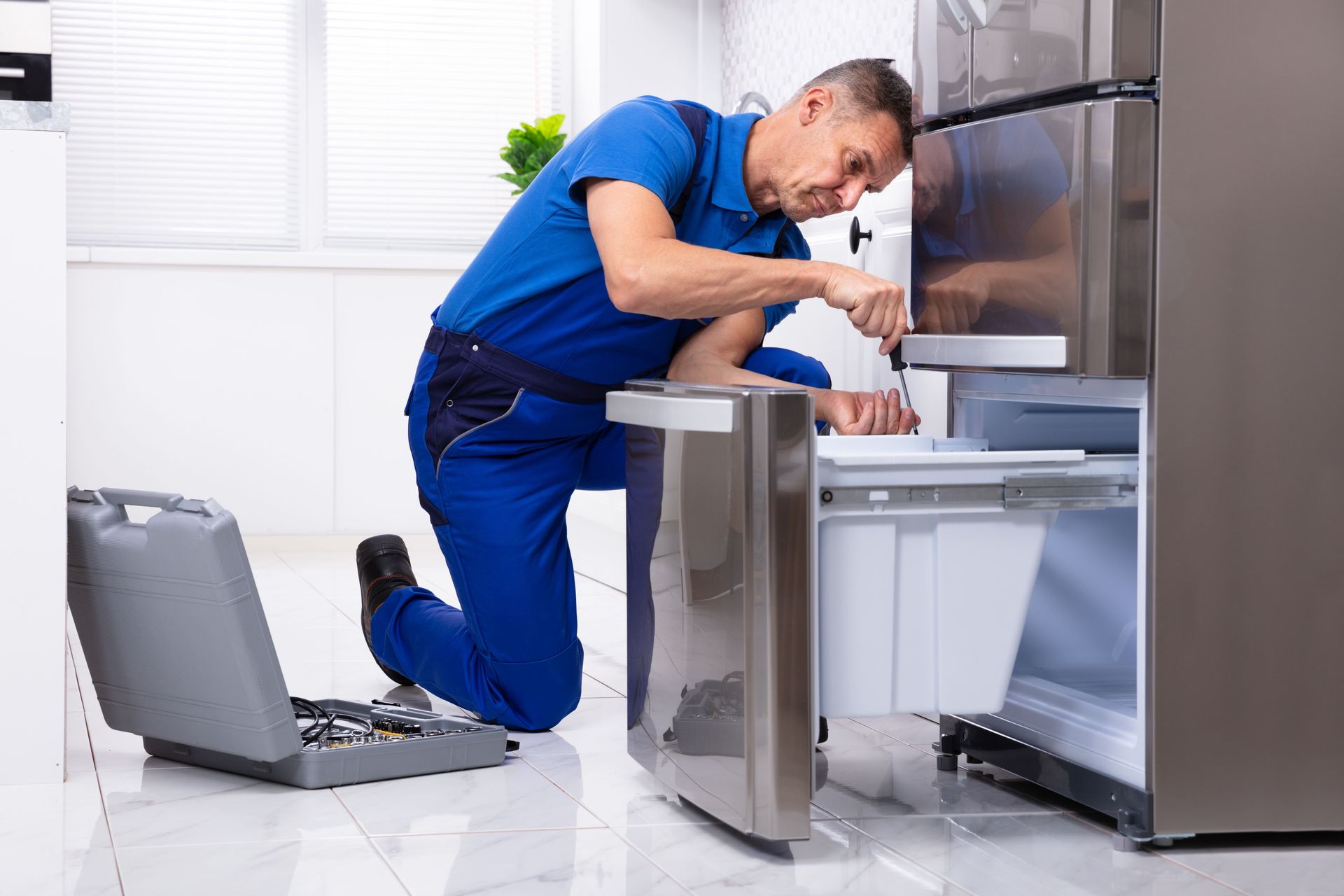
The role an individual unit plays in maintaining your daily household routine heavily influences the urgency and direction of your decision. Essential equipment like primary refrigeration units or main laundry systems directly affect daily health, sanitation, and family comfort. When a primary refrigerator fails to maintain proper cooling temperatures, food safety is immediately compromised, making rapid action necessary. In situations where quick recovery of normal function is essential, booking prompt appliance repair can swiftly resolve minor thermostat issues, fan motor failures, or defrost control glitches. On the other hand, if a secondary or non-essential unit experiences severe failure, homeowners may take additional time to research replacement options, compare features, and select a new model without disrupting essential household activities. Assessing how severely an equipment failure impacts daily living comfort helps establish appropriate timelines and guides decisions regarding immediate servicing or planned replacement.
Reviewing Physical Condition and Mechanical Wear Indicators
Visual inspection and operational noise observation offer clear indicators regarding the internal physical state of household equipment. Excessive grinding noises, intense vibrations, persistent burning odors, or severe visible rust along major structural components indicate significant internal mechanical wear. When internal motor bearings fail, compressor pumps seize, or main structural frames warp, the overall operational integrity of the unit becomes compromised. Attempting minor fixes on severely degraded equipment often yields short-lived results, as underlying mechanical stress continues to impact remaining components. However, if an inspection reveals that structural frames, housing cabinets, and major mechanical assemblies remain sound, targeted appliance repair can successfully address isolated component failures. Furthermore, seeking dependable repairs from skilled technicians ensures an accurate diagnosis of whether mechanical issues are localized or systemic. Thorough physical assessments empower homeowners to make practical choices based on actual equipment condition rather than assumptions.
Navigating the choice between fixing existing household equipment and upgrading to new machinery requires thoughtful consideration of equipment age, breakdown frequency, operational safety, and overall daily convenience. Taking time to assess machine performance, energy efficiency, and physical condition ensures that you select the most effective solution for your living space. Recognizing when a simple component fix provides lasting performance versus when upgrading offers superior reliability helps keep your home running smoothly. Whether managing minor operational disruptions or planning major equipment upgrades, informed decision-making protects your living environment and daily schedule.
If you are ready for professional guidance and reliable appliance repair, contact us at Jackson Home Appliance Heating & Cooling today. We will help you evaluate your equipment needs and deliver expert solutions that keep your household functioning seamlessly.

Share On: